Visitor notice:** The Page Museum is scheduled to close for renovations beginning July 7, 2026, with reopening anticipated in 2028. Parts of the outdoor site, including the active fossil excavation area, are expected to remain open. Confirm access through the official La Brea Tar Pits website before visiting.
The story of the last Ice Age is still unfolding. Among the urban jungle, in the middle of the second-largest city in the U.S. Still bubbling to the surface, a natural spring of asphalt surrounded by man-made asphalt roads. Los Angeles is home to one of the most important fossil deposits in the world. Not just a quirky landmark, but a full research outpost.
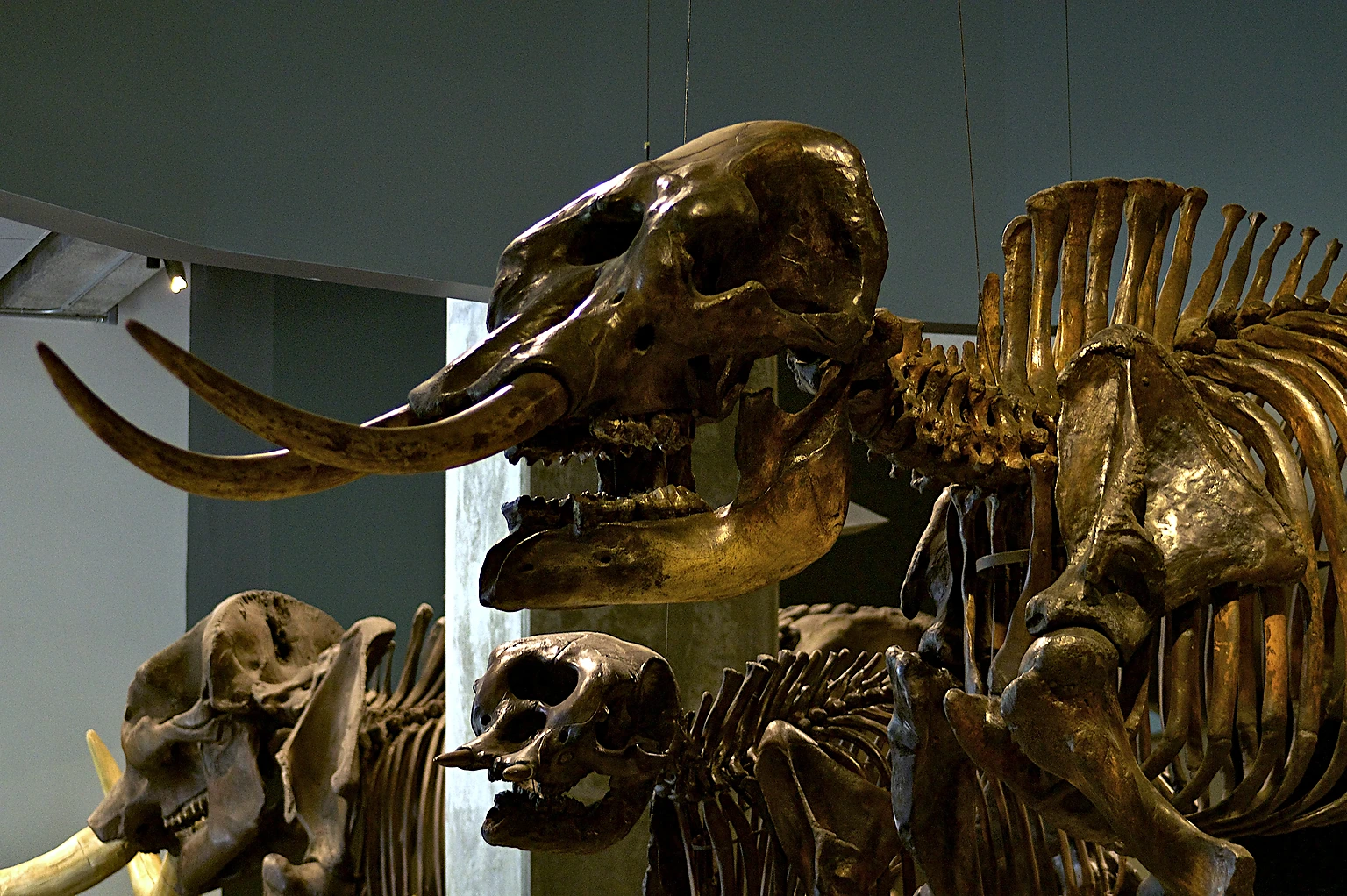
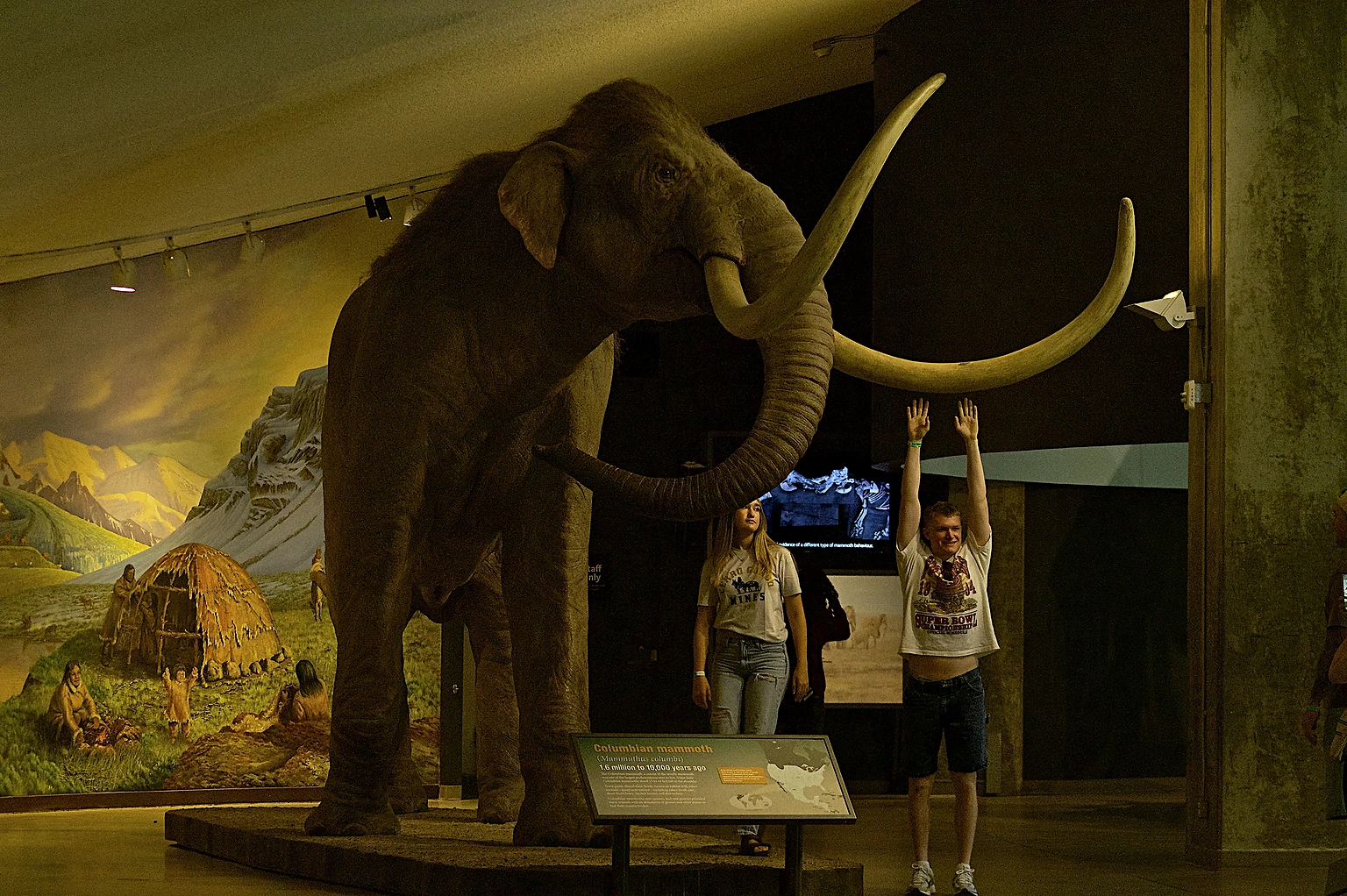
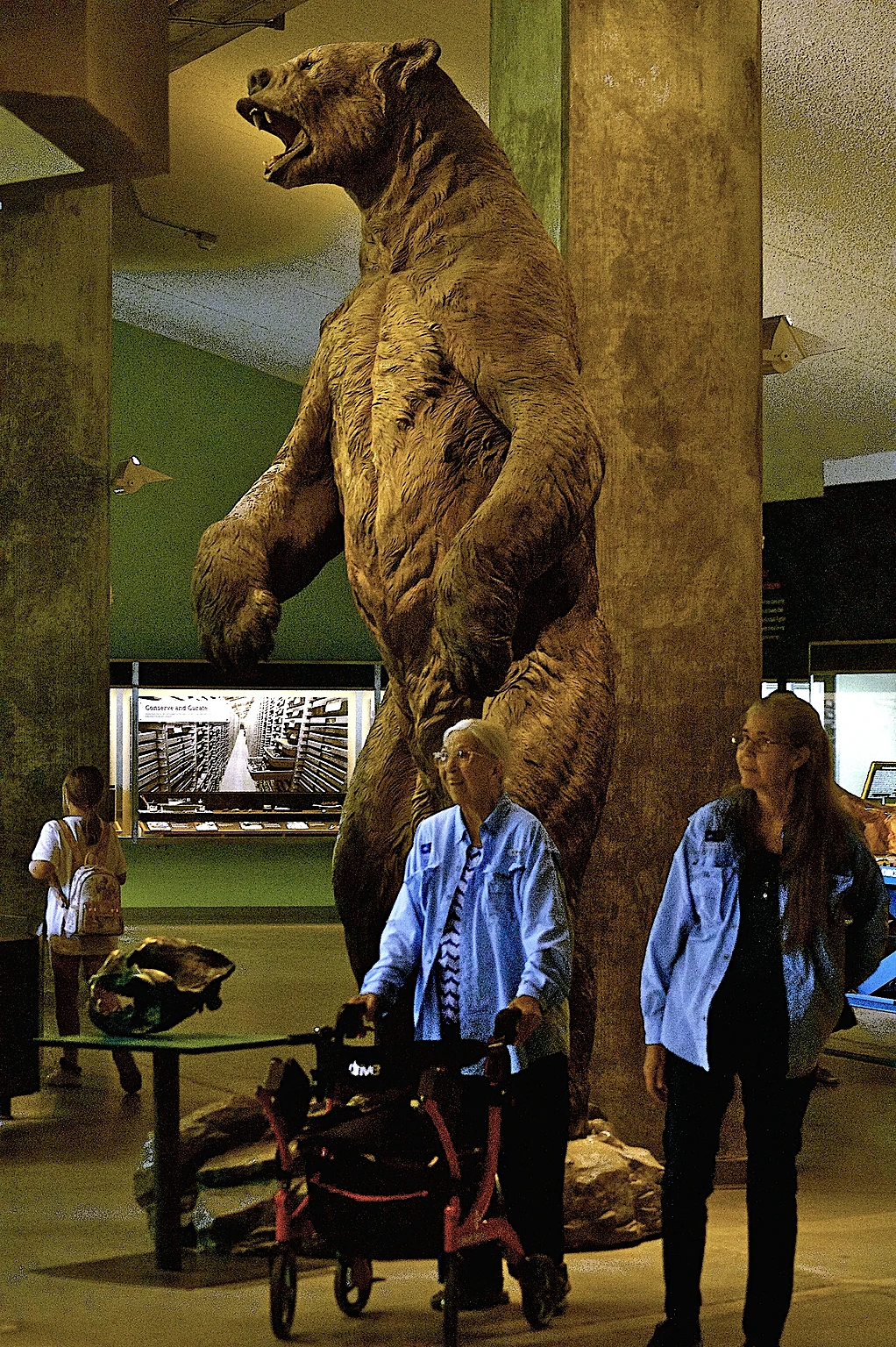
More than three and a half million fossils have been added to the La Brea Tar Pits catalog. All of the cast of the animated Ice Age movie, and much more. Megafauna like the mammoth, mastodon, ground sloths, saber-toothed cat, and many others capture the imagination of a prehistoric world.
Dire Wolves and the Predator Trap
The fossil remains of more than four thousand dire wolves have been discovered so far. Not closely related to the gray wolf, as popular TV series would have you believe. These animals are more closely related to African jackals. With additional jaw muscles not present in wolves, these animals potentially had the jaw strength to sever a human limb.
The museum displays 400 skulls on the Dire Wolf Wall. The sheer number of wolves present is scientifically relevant. It speaks to a predator trap and not just accidental entrapment. Trapped animals would have mistakenly believed that they were treading on solid ground, or shallow water. However, once caught, the struggle would have attracted predators looking for easy prey.
An Entire Ice Age Ecosystem
This is not a random collection of fossilized bones, but rather a snapshot of an entire Ice Age ecosystem. This site represents a trap that collected millions of specimens to be released to humans thousands of years later.
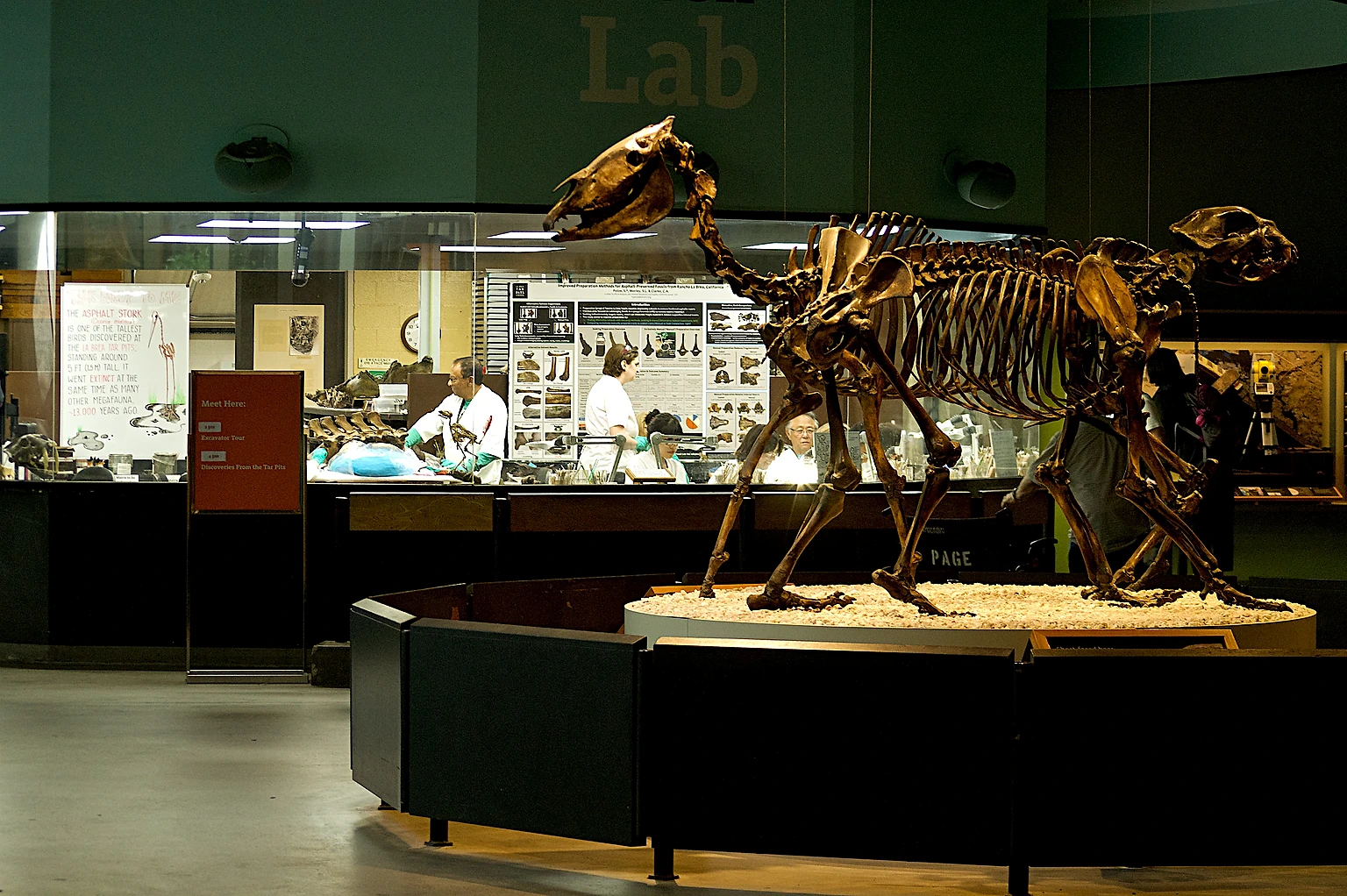
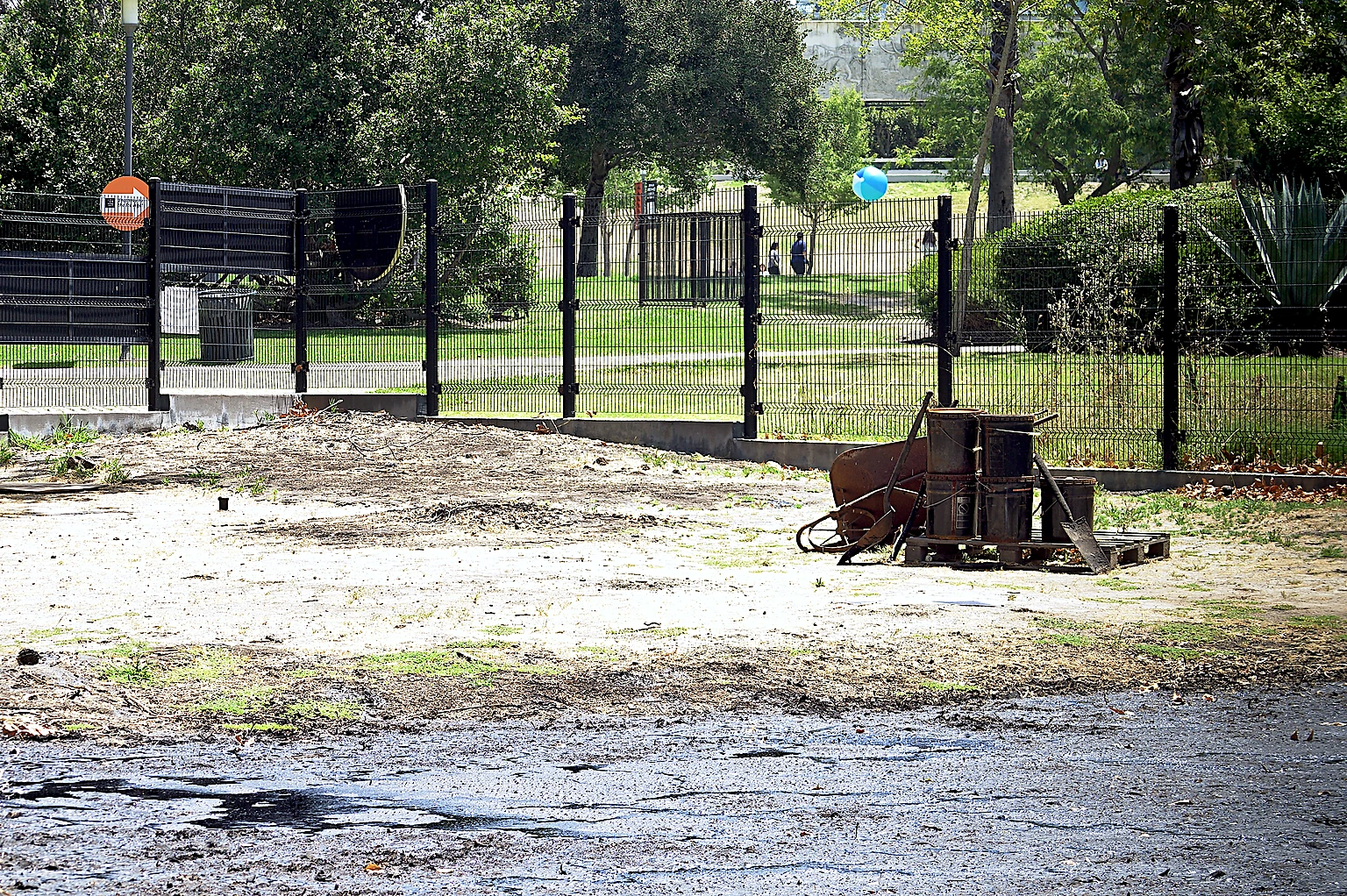
Active bubbling lakes of asphalt still conceal untold discoveries, with a research facility actively harvesting new fossils routinely. Discoveries surrounding the wildlife present in prehistoric Los Angeles, the relationships between these animals, and the characteristics that caused some animals to be particularly susceptible to being trapped in the “tar” continue to unfold. Much of the museum inspires further questions from the curious at heart.
A Museum That Inspires Questions
If you have questions like:
- How are these fossils different from stone fossils found in rock?
- What kind of fly can survive in liquid asphalt?
- Has ancient DNA been recovered from these fossils?
- Why do giant ground sloths have curved paws when they are too big to climb trees?
There are staff members in the museum who are always quick with a story and a trove of answers. Exhibits and films also offer all ages a window into the past. Few locations preserve a timeline like the La Brea Tar Pits. From approximately fifty thousand years ago to the next phase in park construction.
From Rancho La Brea to Hancock Park
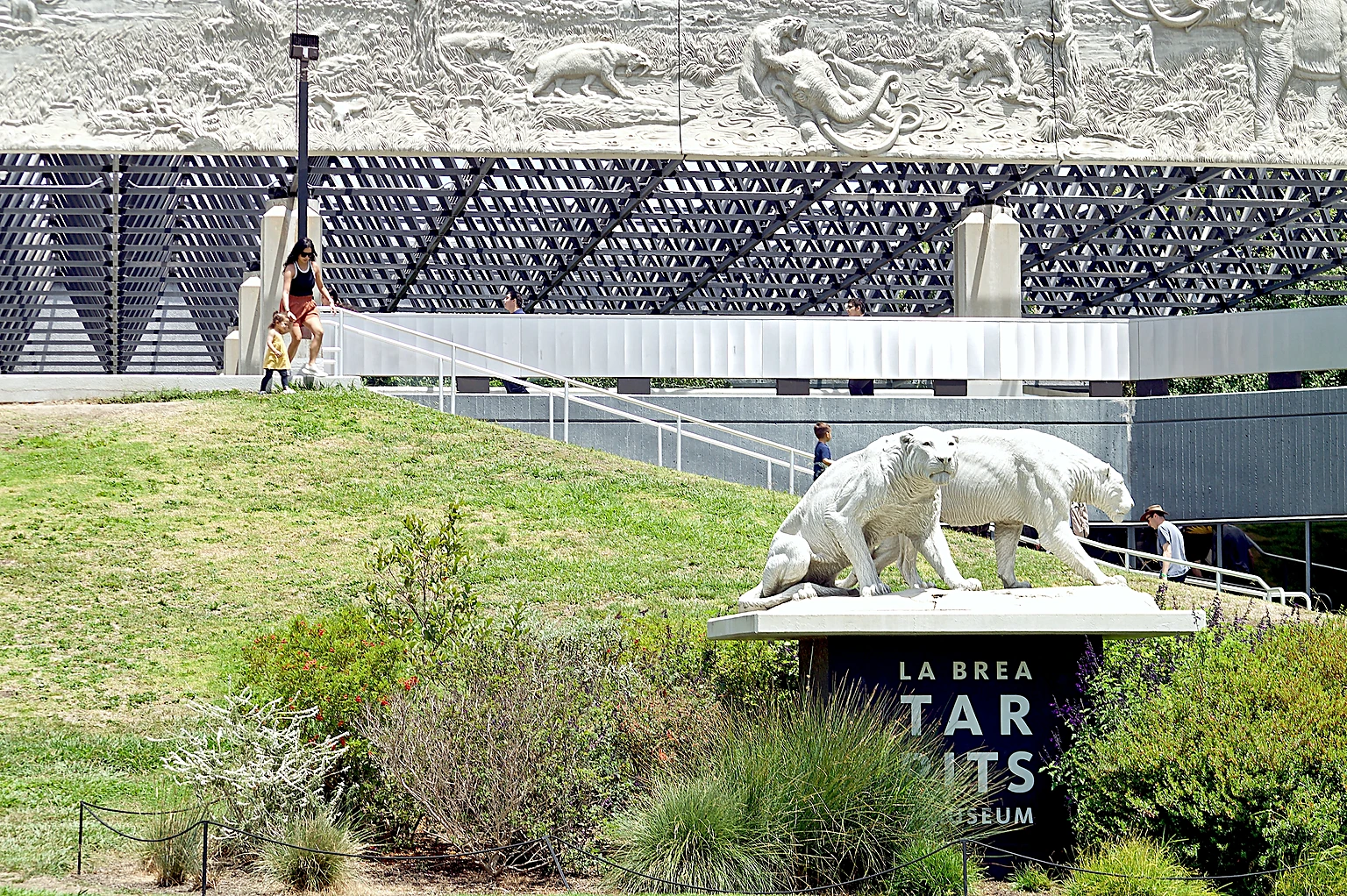
That timeline continued through the development of Hancock Park around the existing asphalt seeps. The site evolved from early excavations into a county-owned museum campus that remains the only active urban Ice Age fossil dig in the world.
Hancock Park began as part of the old Rancho La Brea land grant. It was later donated to Los Angeles County by G. Allan Hancock, whose family wealth came from oil drilling on the property.
The Next Phase
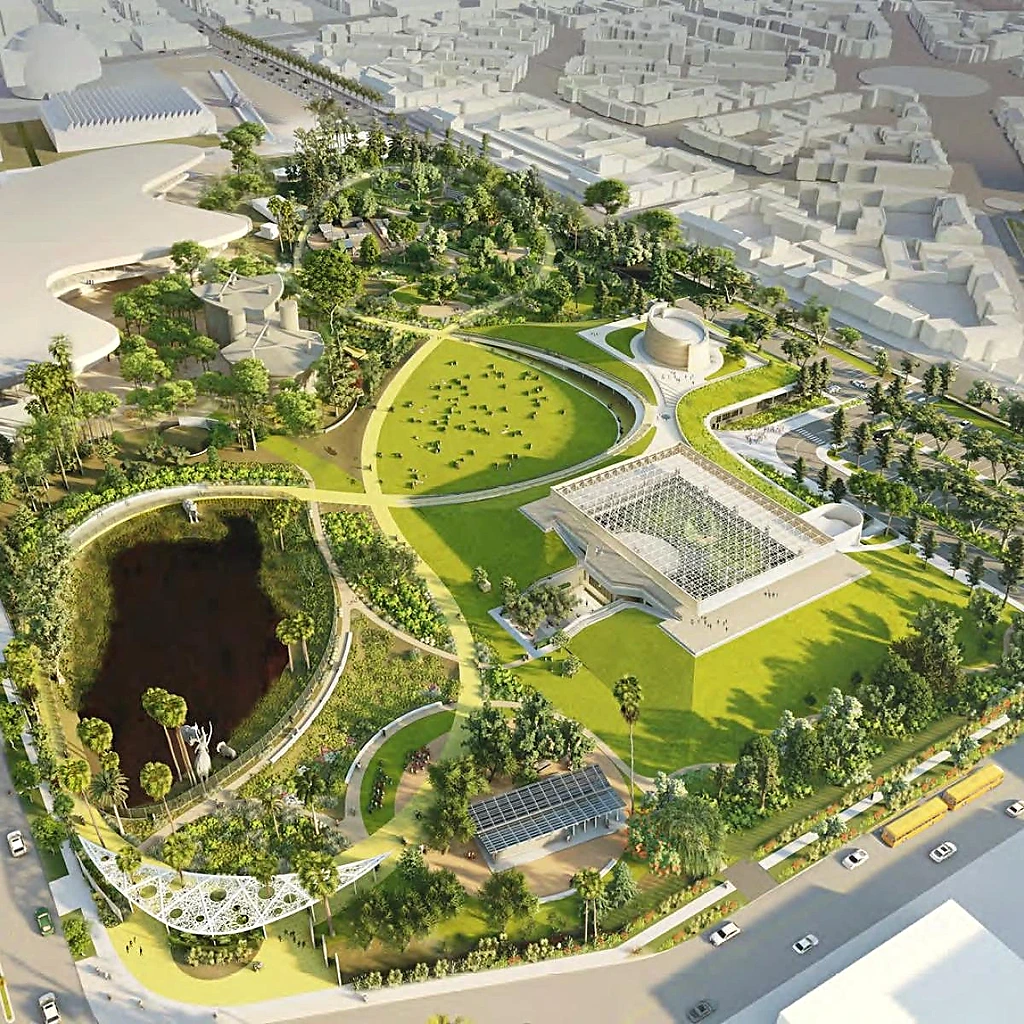
The planned upgrades are more than just a cosmetic remodel. More of a full reimagining of the La Brea Tar Pits site. An entirely new addition to the park is the planned Samuel Oschin Global Center for Ice Age Research. An expansion of the research capability of this active field lab.
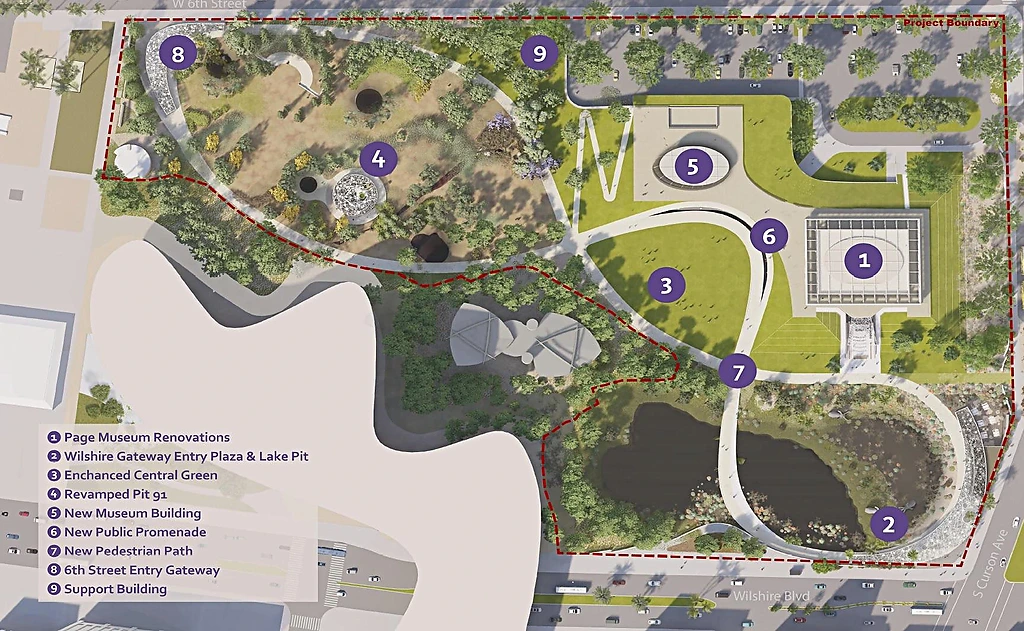
Plans are also underway to expand the current museum through more square footage for exhibits and a larger theater. The outdoor park itself will also see improved walking paths and a new Wilshire Boulevard entrance. This will be the first major upgrade since the museum opened in 1977.
Upon completion, the La Brea Tar Pits will transform from a landmark fossil site into a scientific research campus. More education and more visibility into the research will allow even more engagement in storytelling. Stories surrounding the fossil record, the process by which fossils are prepared for exhibit, and connections to today’s climate story.