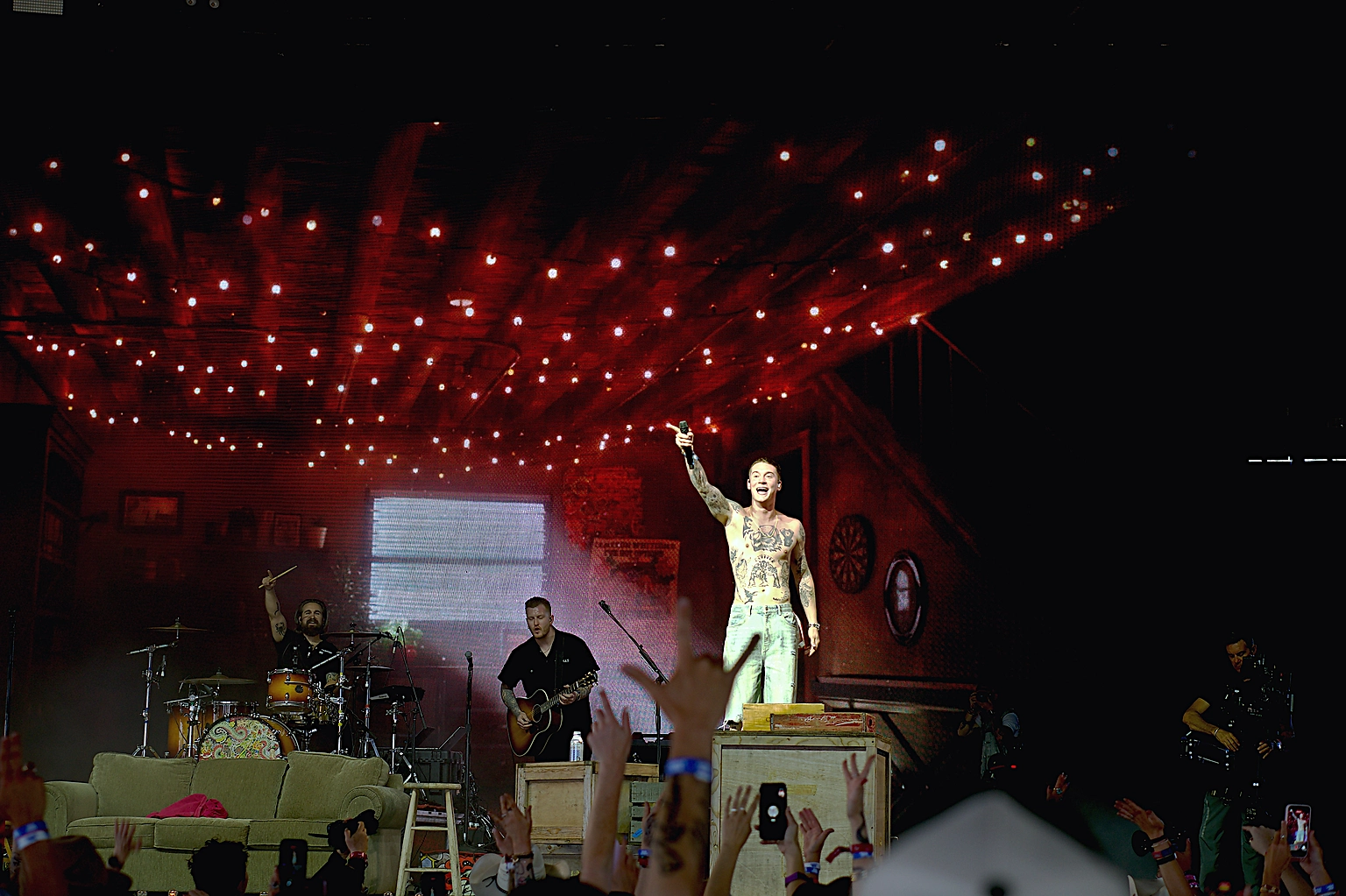
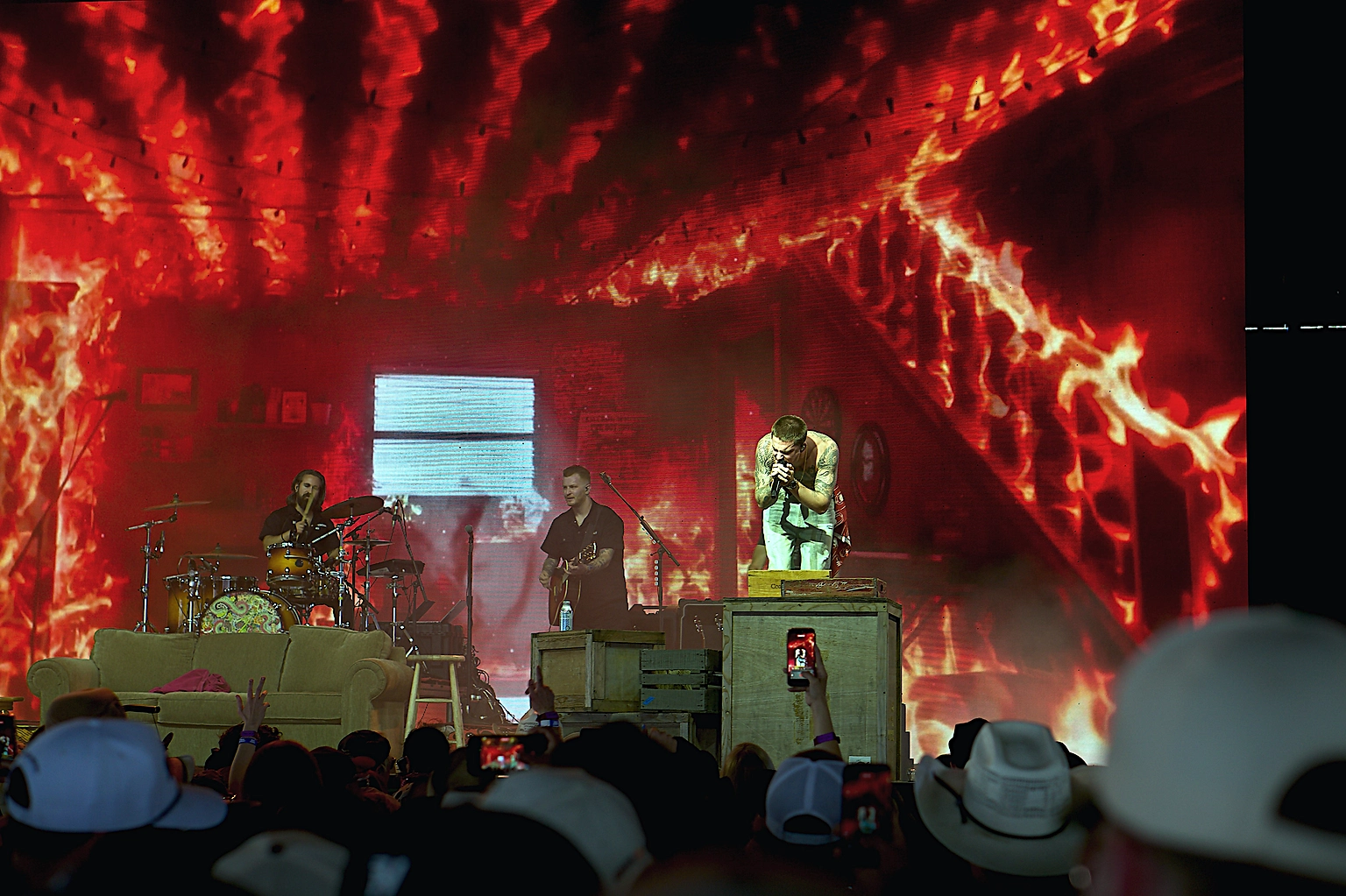
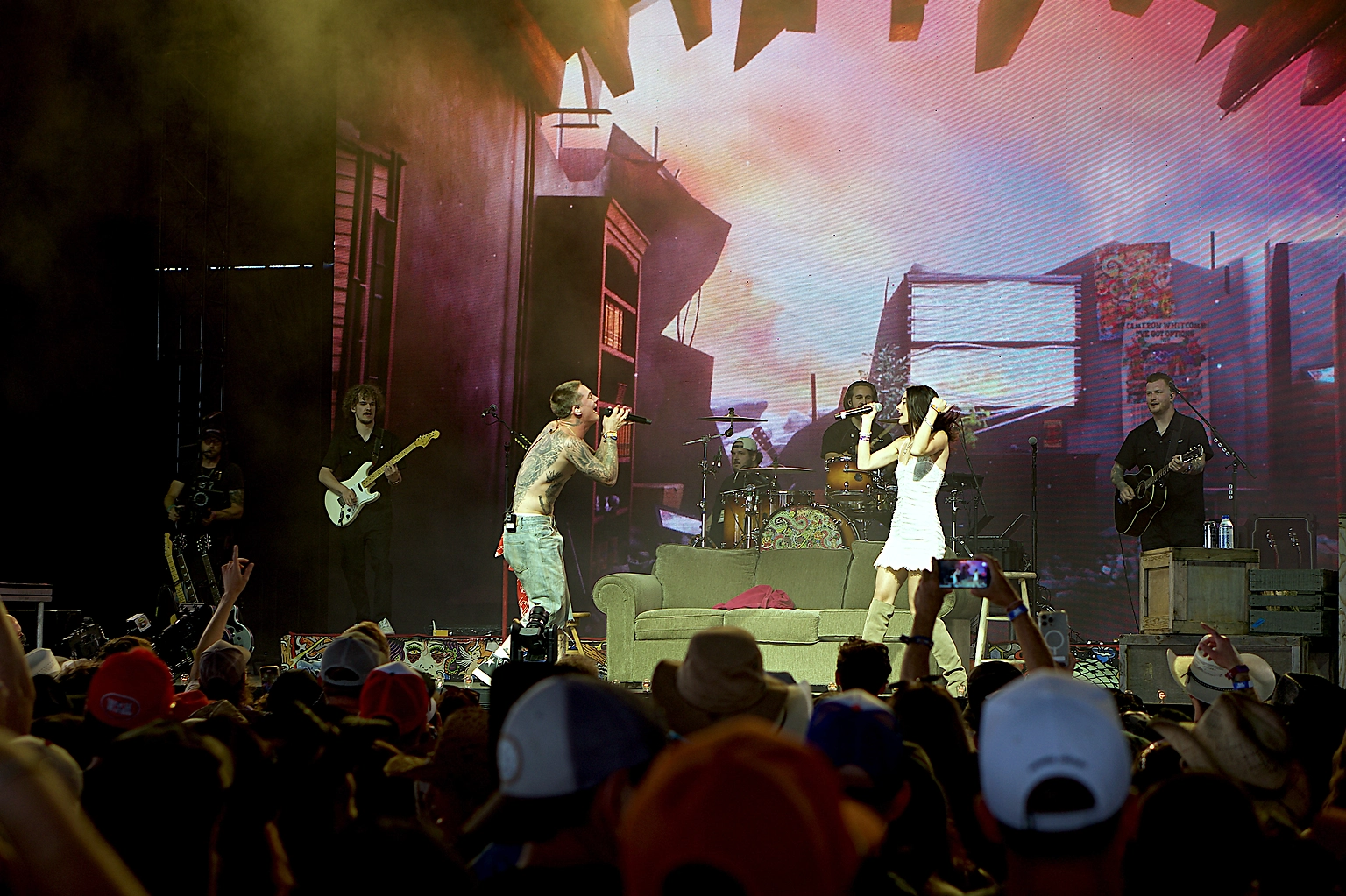
When he executed a backflip from atop the speakers, he did not occupy space on the stage, he occupied the stage.
A sea of people all moving with the ebb and flow of music. Shared emotions that feed the collective soul. This is Stagecoach. As grown-ups, we are told that play is unproductive. A waste of time. However, human play predates politics, religion, civilization, and even language as we know it. When we play together we build shared experiences and form connections that we cannot develop separately. Play is completely voluntary, and accelerates common trust more than simple agreement. Thousands of humans all sharing the same reaction in a temporary suspension of division. We didn’t invent human play, we inherited it. That is the social magic of festivals like Stagecoach.
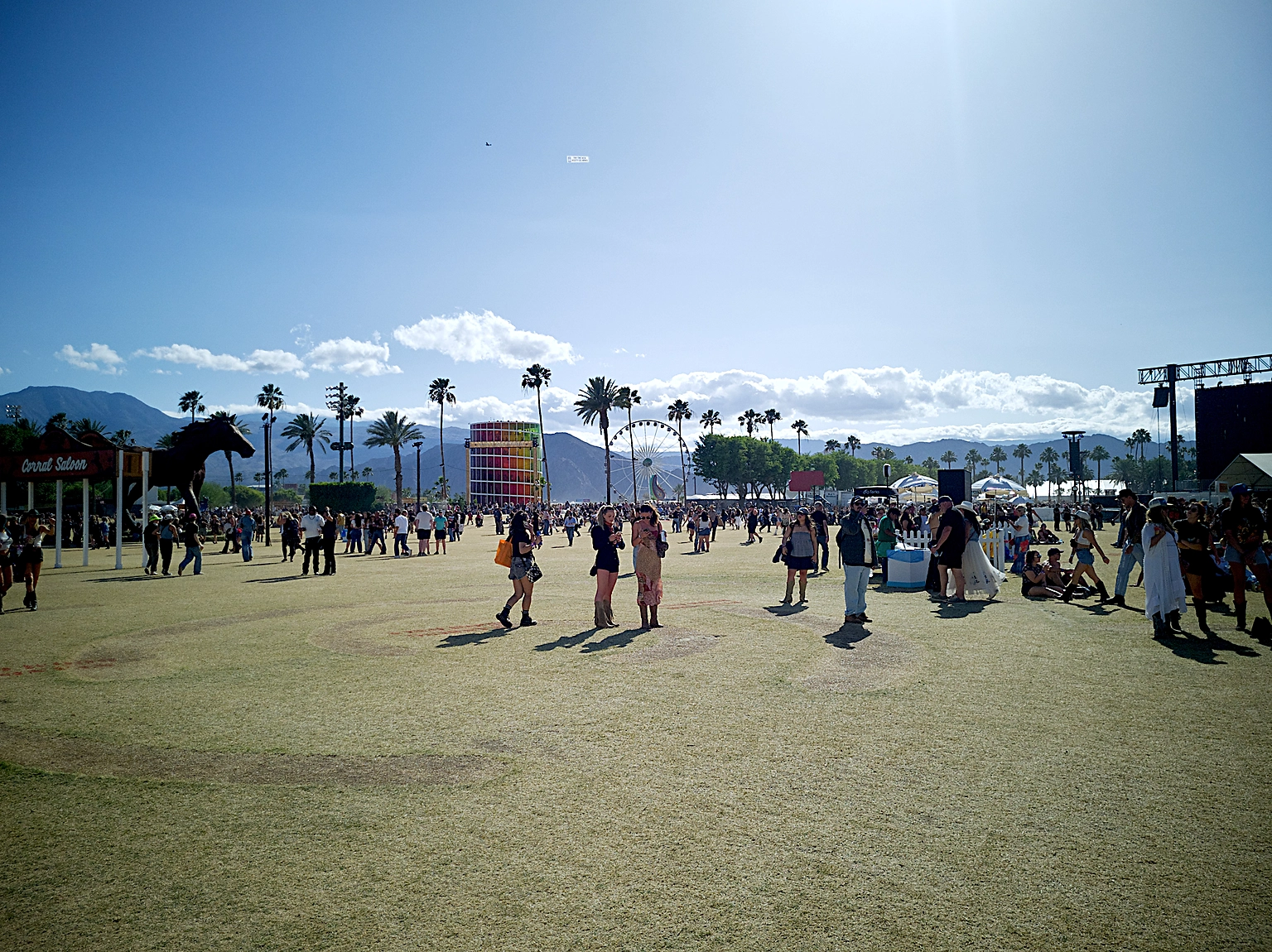
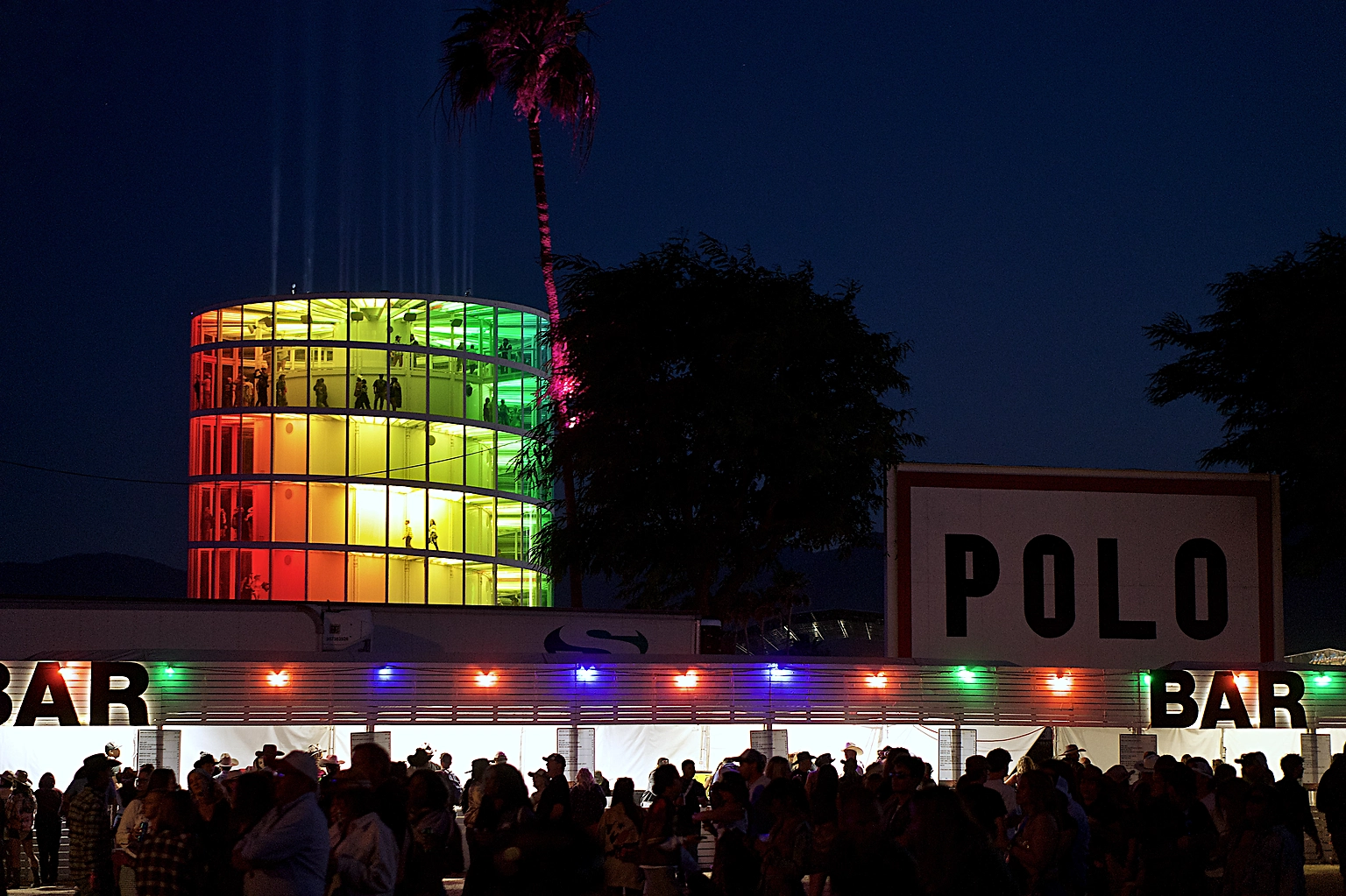
Stagecoach is an enormous event that takes place at a massive venue. This year’s turnout was, at the very least, published capacity. The Empire Polo Club hosts some of Southern California’s largest festivals. The club occupies hundreds of acres with the actual polo fields covering approximately 78 acres. All of this space temporarily dedicated to music. From inside the festival, it is impossible to cover the entire event. Frustrating, and also the point. So many artists, so many stages, and all of the people that I mentioned. Exposed to constant stimulation; but driven by discovery, I found what I was looking for. Something shiny and new. Something unexpected. Someone named Cameron Whitcomb.
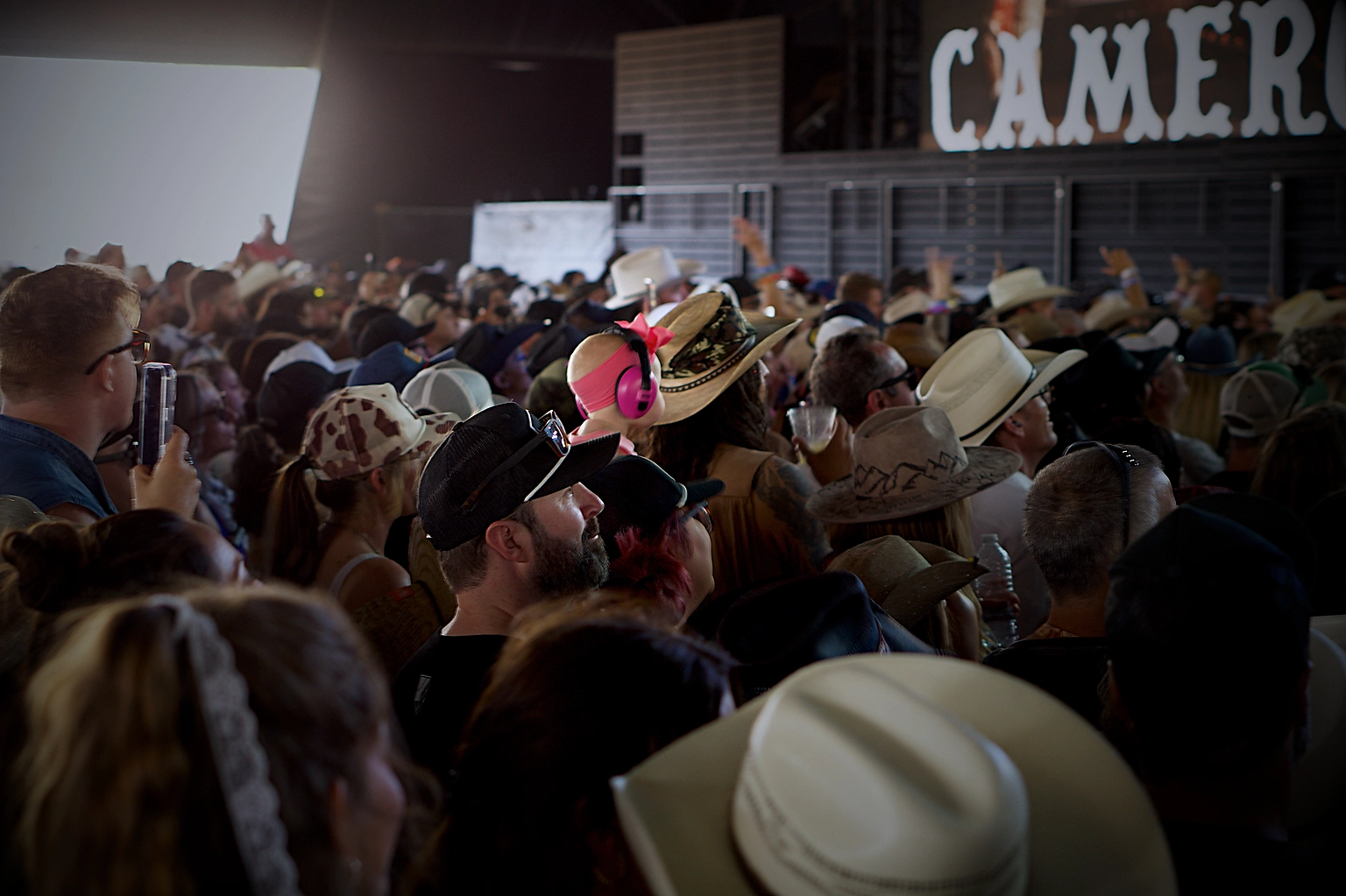
Cameron’s presence took me by surprise. Not a typical head-hung, slow-sway country-folk performance. His energy was unpredictable, raw, and with an edge. He sang with his hands as much as his voice. Body language like Marshall Mathers, but without the dark adversarial tone. His cadence was frantic, and full of emotion. He was not sharing lyrical stories, he was reliving them. The crowd could not look away. I saw infants in the crowd completely mesmerized. We all wondered the same thing, “where did this come from?”
The answer, at least partially, is that Whitcomb did not arrive as a polished Nashville product. He surfaced on American Idol in 2022, where he reached the top 20. His style has sharpened since. His music carries enough country structure to fit Stagecoach, but it goes further. More visceral, more engulfing. The burning house aesthetic on stage only intensified the voltage of his performance. Originally from British Columbia, Cameron signed with Atlantic Records and made his first Billboard Canadian Hot 100 appearance with “Quitter.” His debut album, The Hard Way, followed in 2025 and cemented his upward trajectory. He is currently touring behind The Hard Way.
I walked in not knowing what to expect, and walked away a new fan. That does not happen often. With Whitcomb, it was less about knowing the songs than feeling the force of his personality. Music has a way of attaching itself to place, crowd, and moment. For me, Stagecoach 2026 carries the memory of the first time I saw Cameron Whitcomb. The scale of the venue leaves many of the artists being felt rather than closely witnessed. Post Malone and Brooks & Dunn were among the headliners closing out the main stage of the festival. Other stages had unconventional headliners like Third Eye Blind, and Ludacris. All of these artists command presence regardless of venue size. Big screens were distributed all across the fields, so even at a distance you could see the performances. No matter where you stood in the venue, a feeling of communal involvement was present.
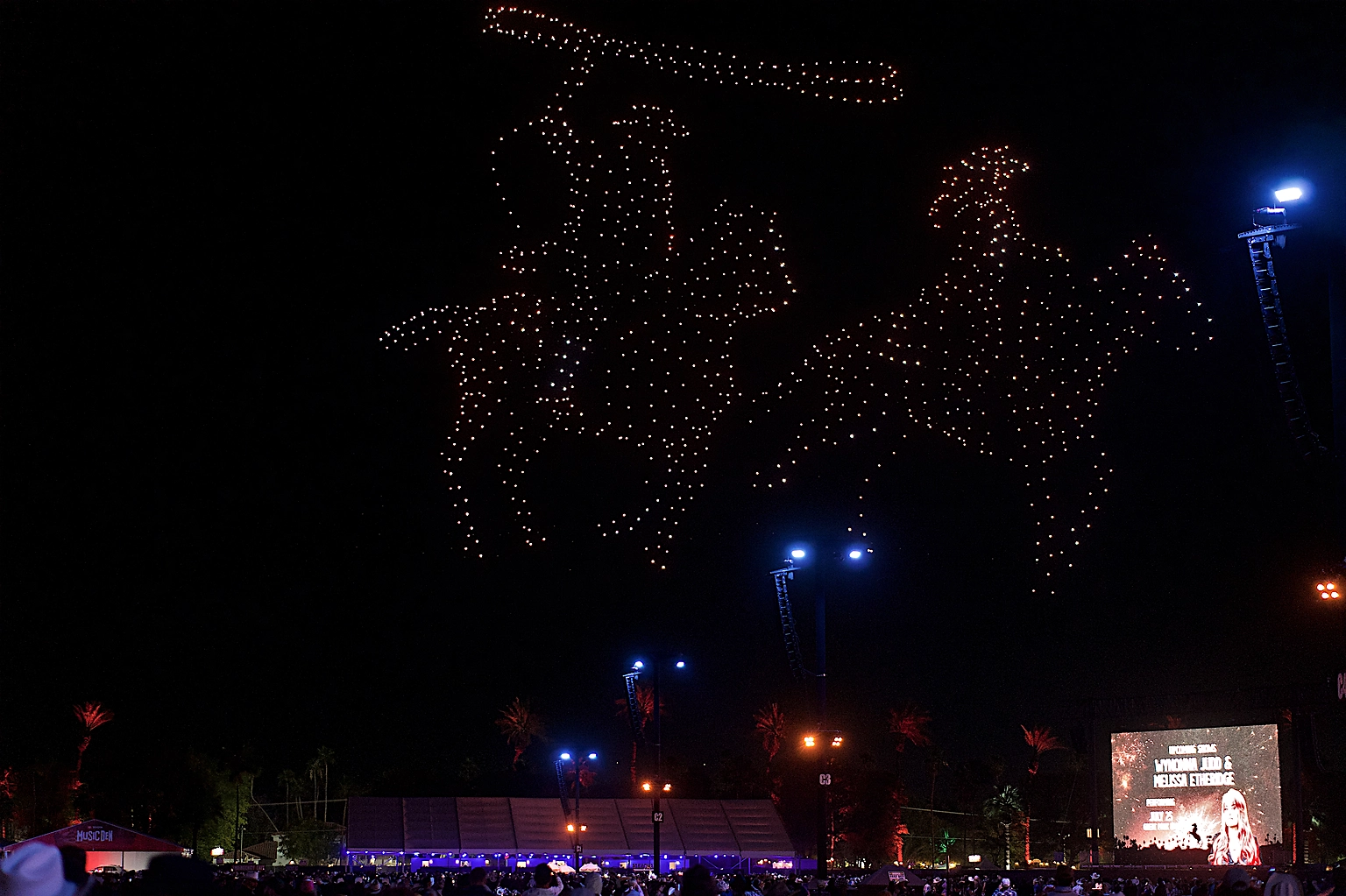
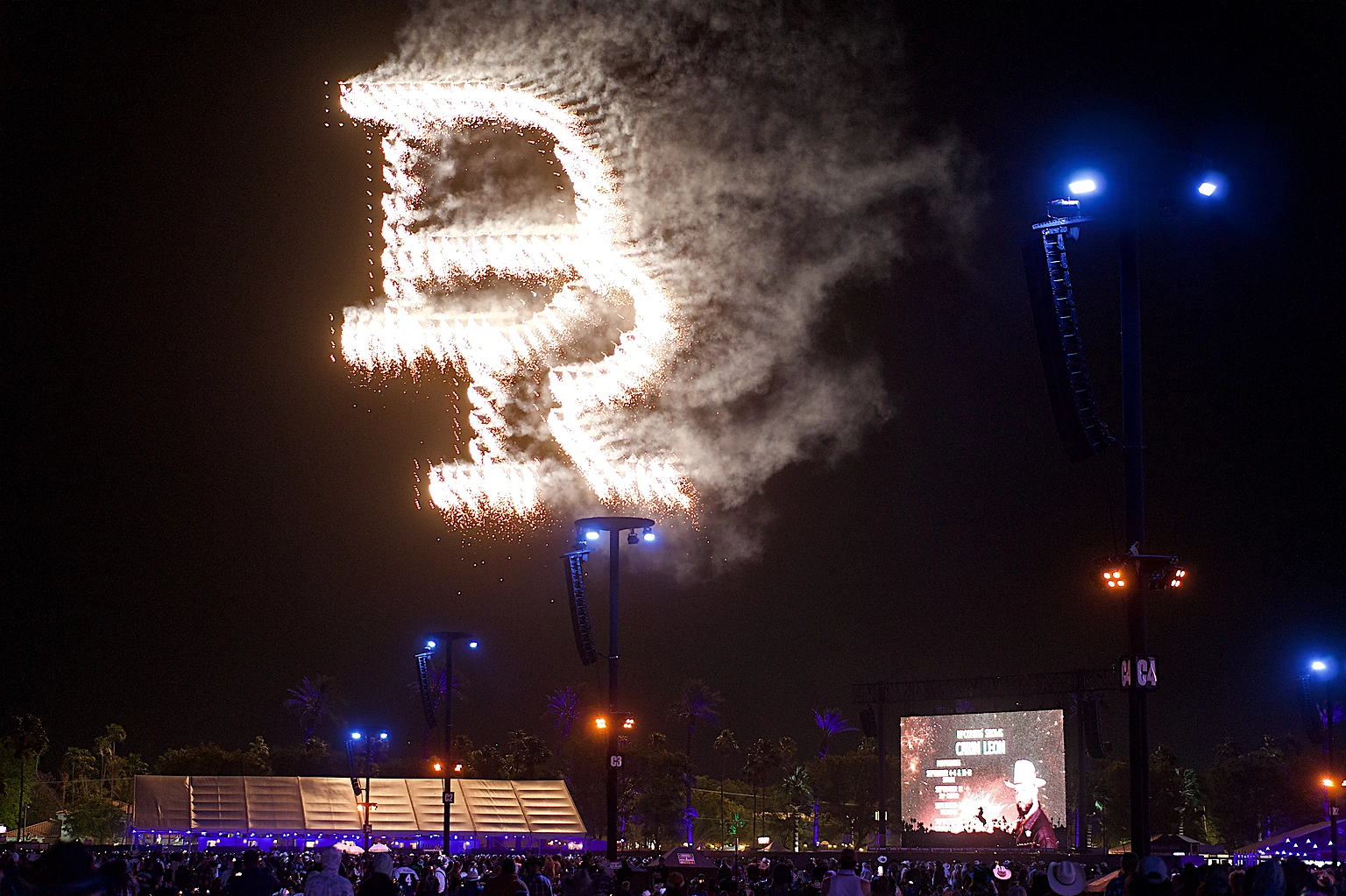
Stagecoach is a cultural spectacle. A large portion of that spectacle has become commercial. Between sets, there appeared a swarm of drones in the night sky. These drones began to produce synchronized formations. Images advertising Dutton Ranch, a new streaming Yellowstone spinoff series. Images of the show’s characters, wild horses, and cows lit the sky. People who had been sitting were suddenly on their feet. Phones pointing upward. All of the attraction of a fireworks display with an embedded advertising message. Western mythology mashed with modern technology, producing another layer to the magic.
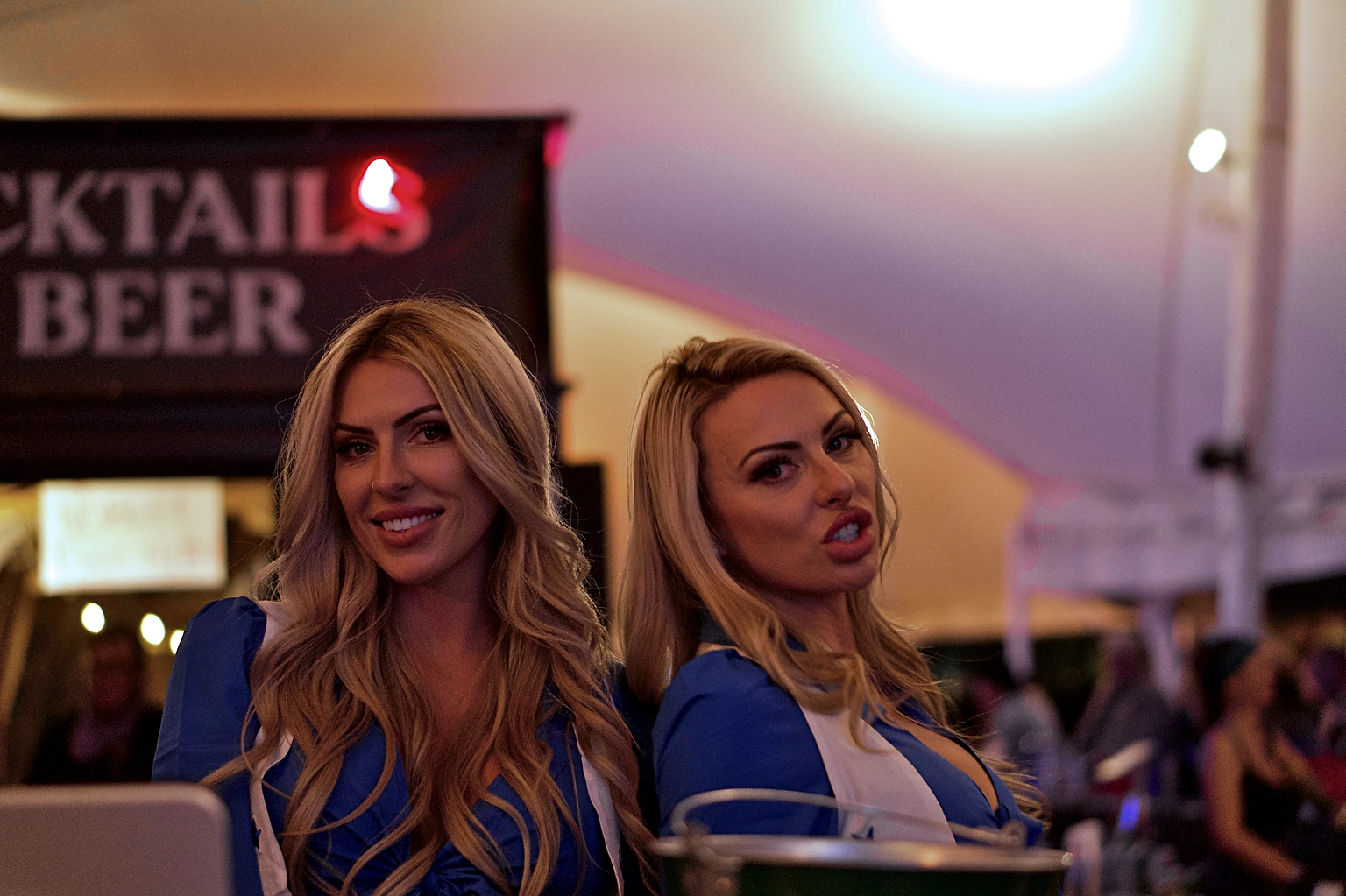
The spectacle was not only in the sky. On the ground, Stagecoach had the familiar rhythm of Southern California event work: fast bars, long lines, sunburned crowds, and the workers who keep the whole machine moving. I saw familiar faces there too, including the Gornik twins, bartenders I have crossed paths with at enough large events to make their presence feel almost like part of the circuit. That is another version of Stagecoach most people never think about. Behind the music and branded spectacle are the people who make play possible at scale.
That is probably the most honest way that I can write about Stagecoach. I did not see all of it clearly enough to review it completely. I saw pieces: a discovery set, distant headliners, a drone-lit advertisement, familiar workers, and thousands of people voluntarily entering the same temporary world. Cameron Whitcomb gave me the story. Stagecoach gave it the frame.