
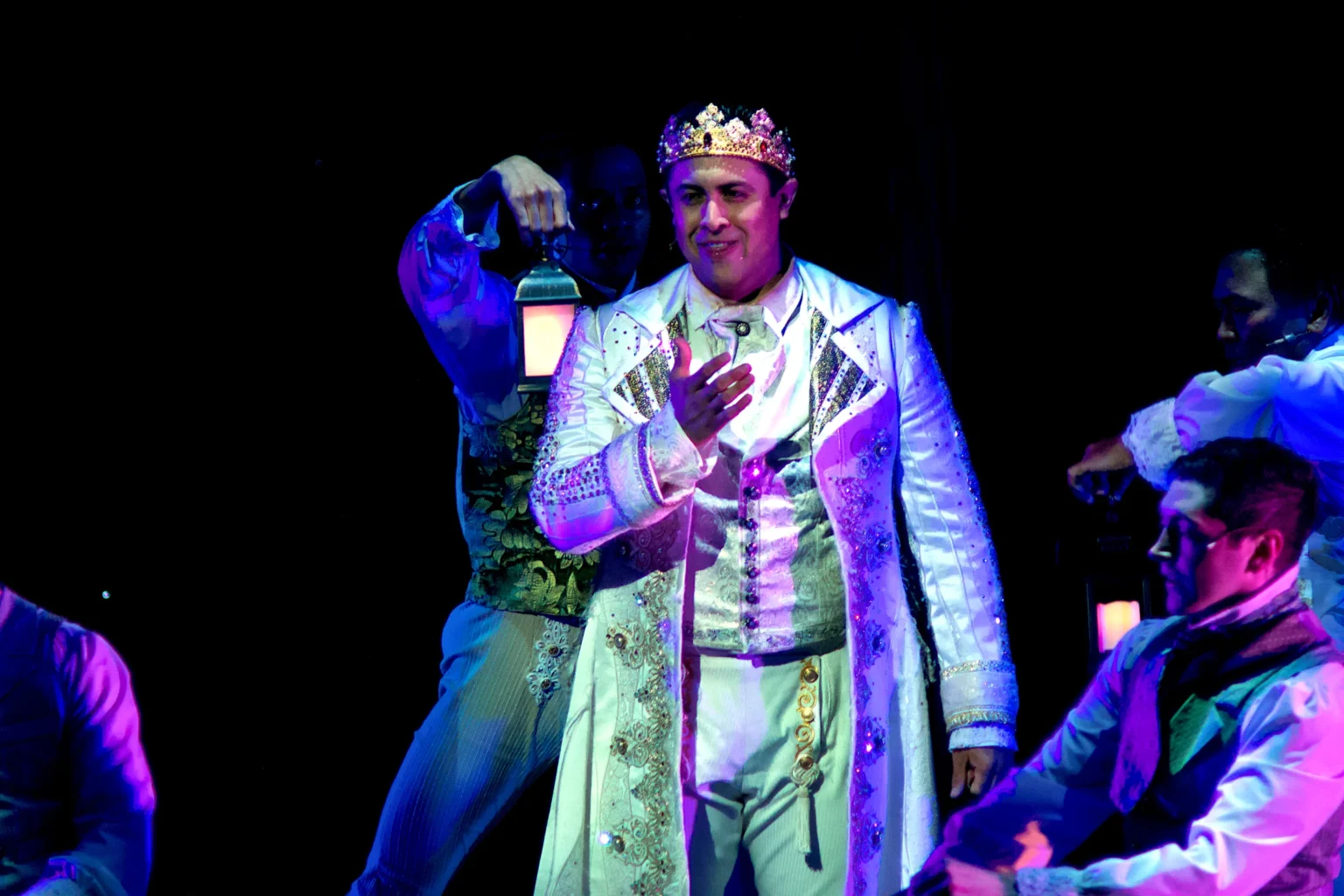
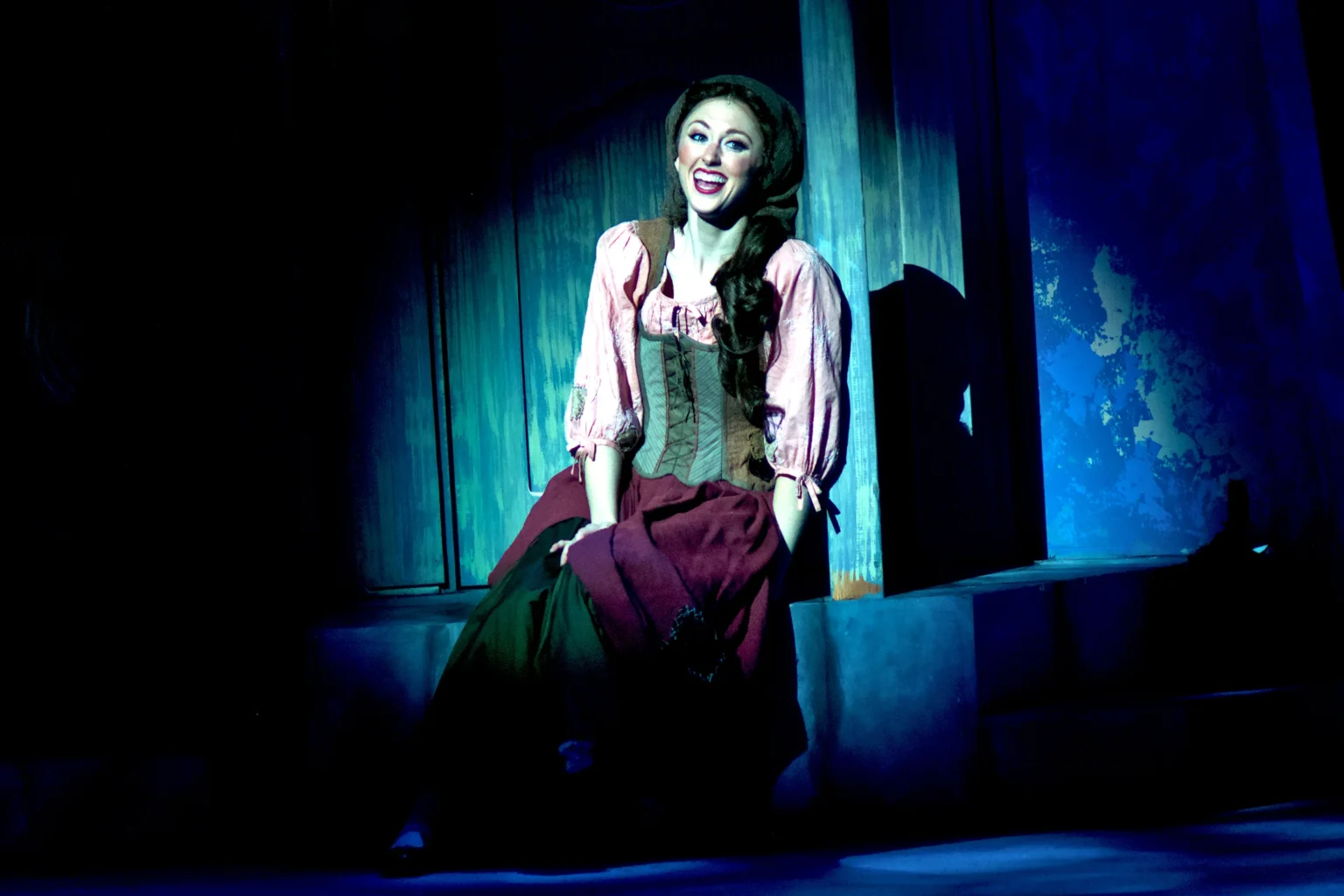
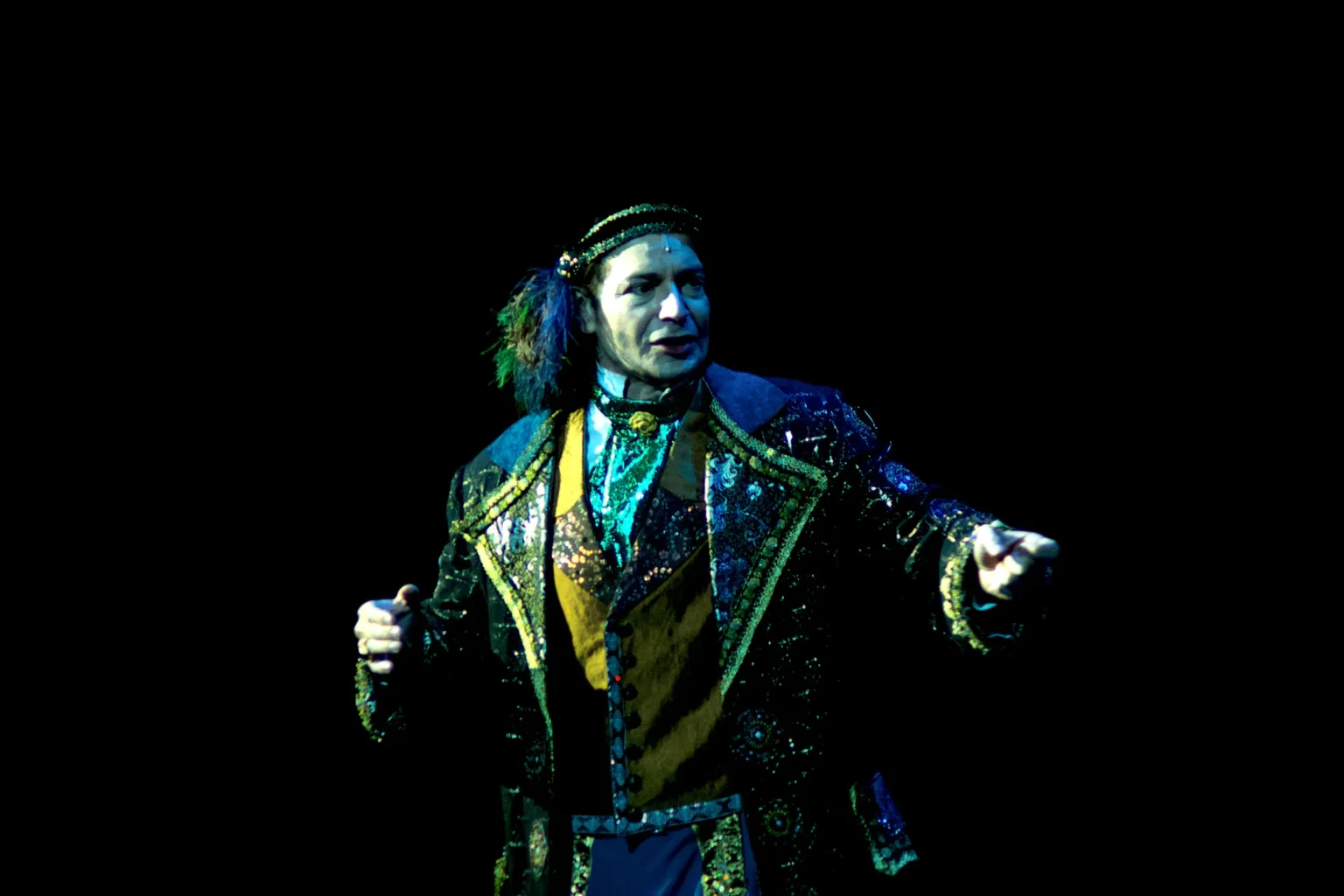
Everyone walks into Cinderella thinking they know the story. That is part of the challenge and part of the opportunity. Musical Theatre West’s production at the Carpenter Performing Arts Center did not fight that familiarity. It used it. The show opened with enough visual confidence and narrative energy to reset expectations quickly, and from there it played less like a dusty fairy-tale obligation and more like a live, breathing piece of theater.
This version follows the Rodgers and Hammerstein musical lineage, itself rooted in the Charles Perrault retelling, but the performance avoided feeling like a museum tribute. The company leaned into character dynamics, pace, and tonal shifts that gave the material movement. You still get the core architecture audiences expect, but the path between those landmarks has sharper turns than most people anticipate.
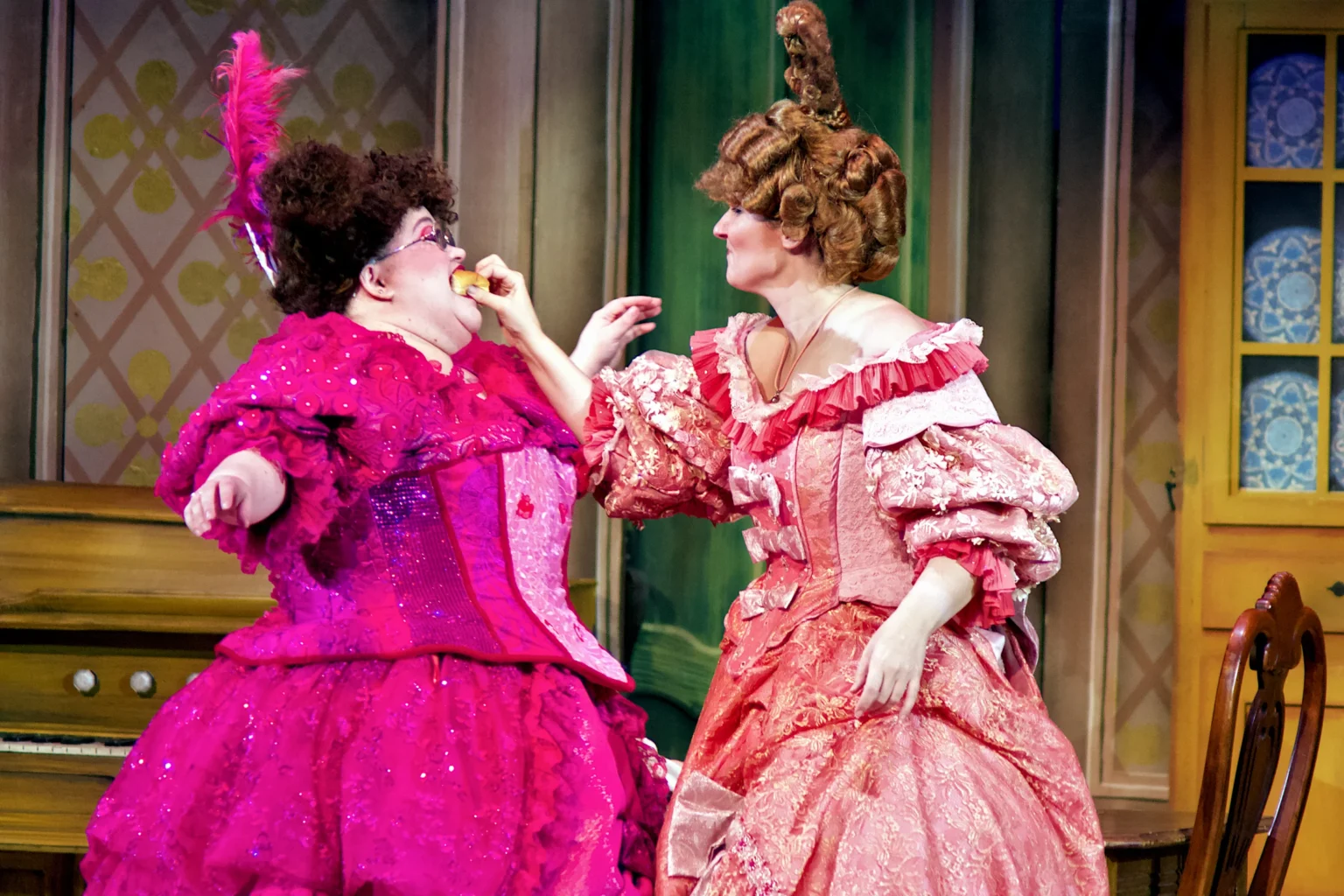
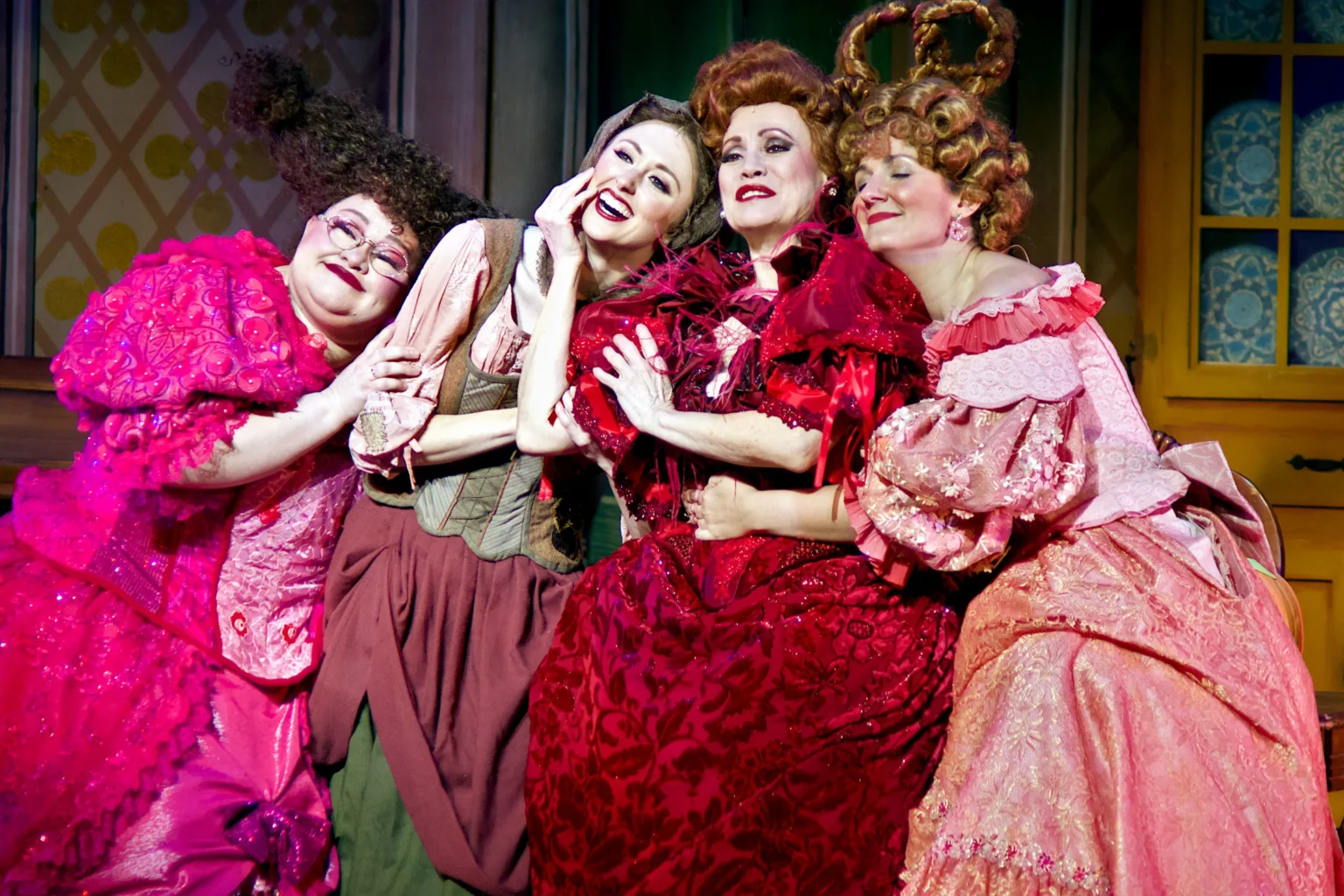
One of the biggest strengths on stage was chemistry. The cast did not just deliver lines and songs cleanly; they reacted to each other like people sharing real stakes. Vulnerability landed. Sarcasm landed. Affection landed. The emotional contrast between those tones is what kept the room engaged rather than passively consuming a familiar plot.
Early in the run, the audience response made that clear. During one exchange that could easily have played as routine setup, you could hear the room shift from polite listening to active investment, a few quiet laughs first, then a wider ripple once the rhythm clicked. By the next scene change, people were fully with the cast.
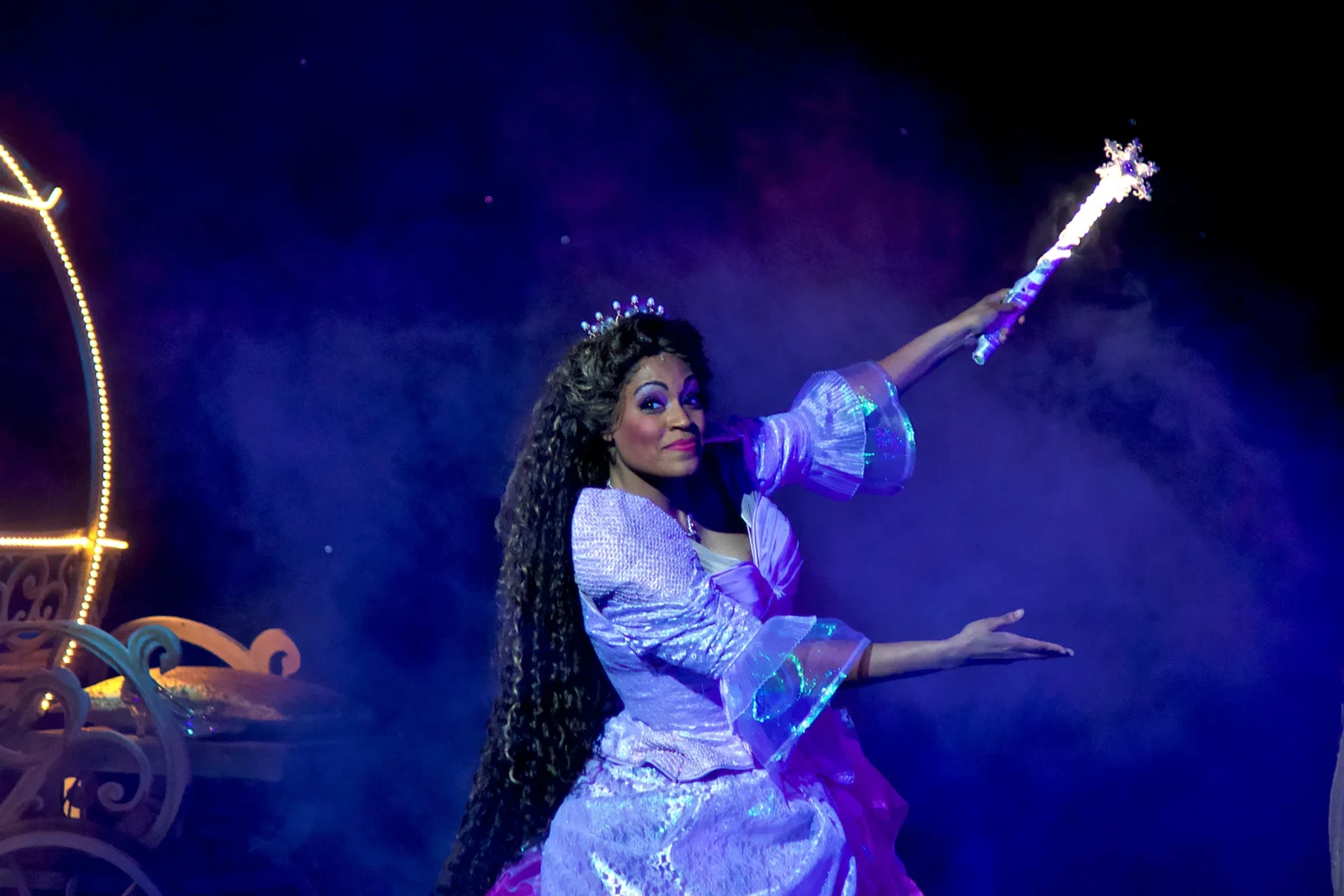
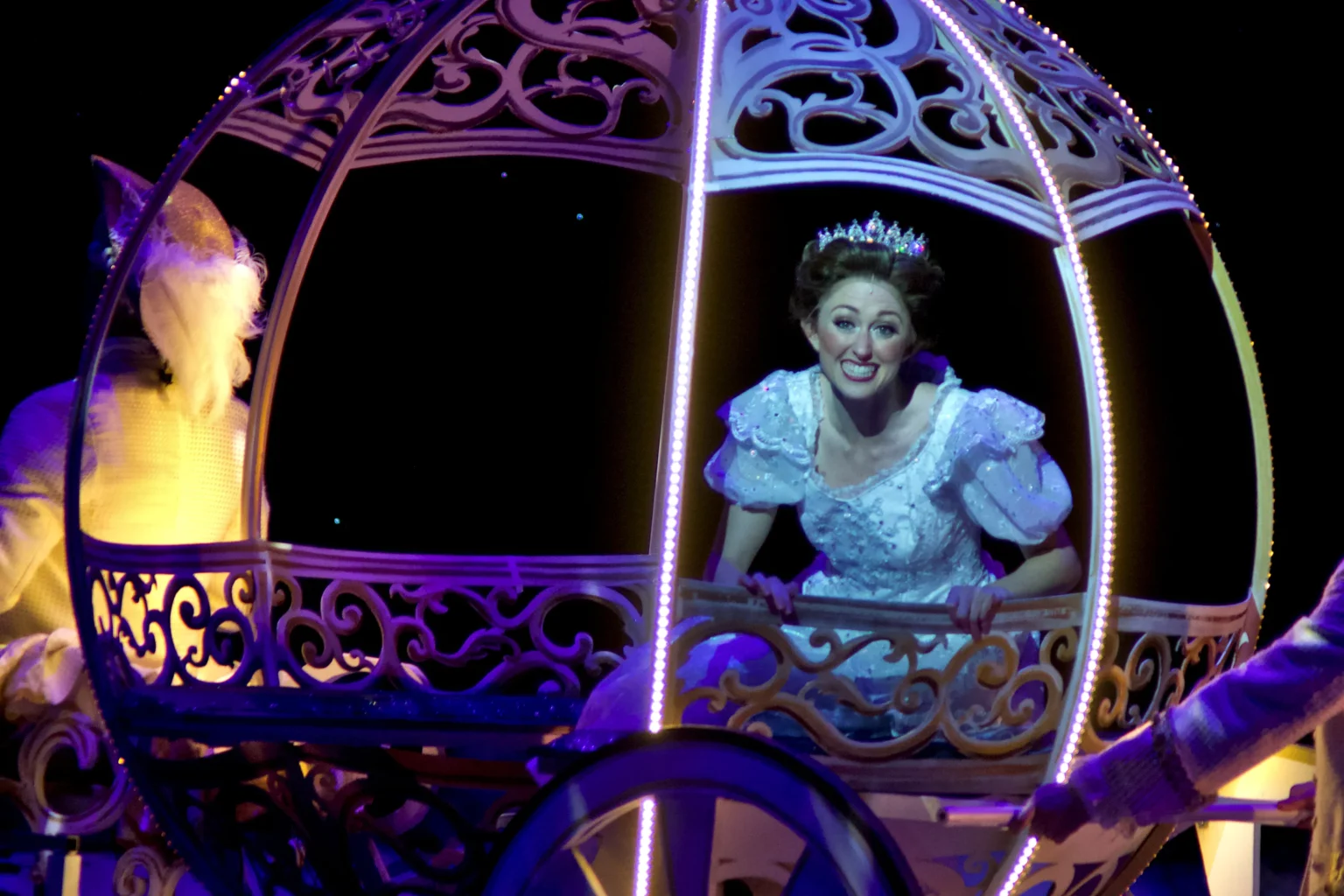
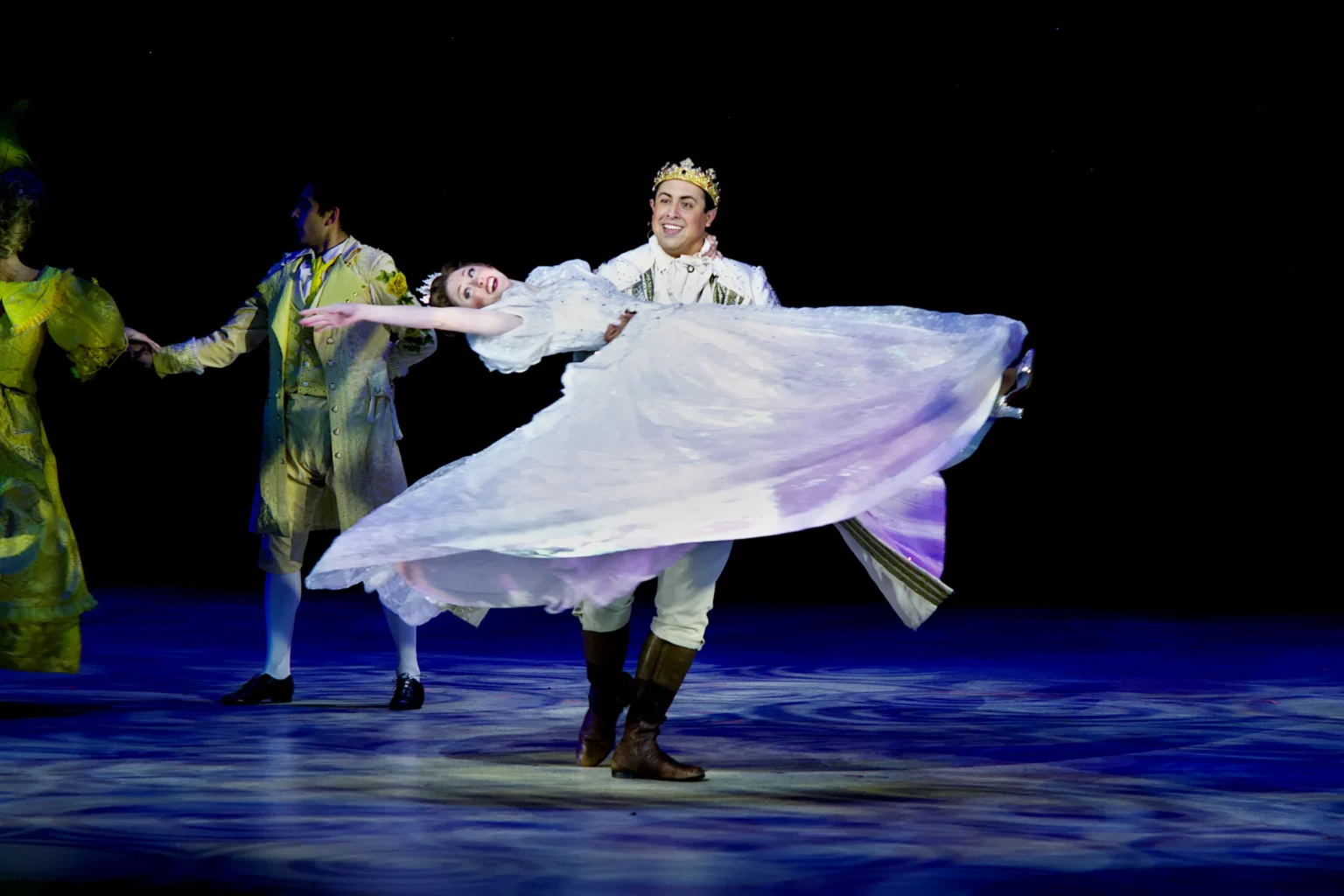
The visual side also carried real weight here. Costuming and backdrop choices were not decorative filler; they were part of the storytelling logic. The production delivered a strong first impression and then maintained it through consistent stage picture discipline. In a show where transformation is part of the emotional contract, design execution matters as much as vocal performance.
There was one minor live-theater hiccup in a transition where timing between movement and cue looked a fraction off before snapping back into alignment. It lasted seconds and resolved cleanly, but it also reinforced something important: this was not a polished recording pretending to be live. It was a real company working in real time, and that risk is part of the appeal.
Musical Theatre West’s broader institutional consistency continues to show. A company with roots going back to 1952 and a stated mission around Broadway-quality regional work still has to prove it production by production. This one did. The ensemble looked prepared, the choreography read clearly from the house, and the orchestral support served the voices without flattening them.
For longtime theatergoers, this production offers enough craft to satisfy expectations. For newer audiences, especially families considering an entry point, it works as a strong gateway show. You get recognizable source material, clear emotional stakes, and music that supports the narrative without requiring prior musical-theater fluency.
You could see that bridge working in real time: older patrons catching reference beats, younger audience members reacting to humor and visual turns, then all of them meeting at the same applause moments. That shared rhythm is hard to manufacture and easy to recognize when it is real.
At the Carpenter, that presence was the real differentiator. You could feel the cast managing timing, breath, and audience energy in real time, and the room responded accordingly. Film can replicate scale. It cannot replicate that feedback loop.
Musical Theatre West’s Cinderella was visually polished, emotionally readable, and performed with conviction. It respected the legacy material without getting trapped by it. By the time the house lights came up, families and longtime subscribers were still smiling through the exits and talking through favorite scenes on the way out.